
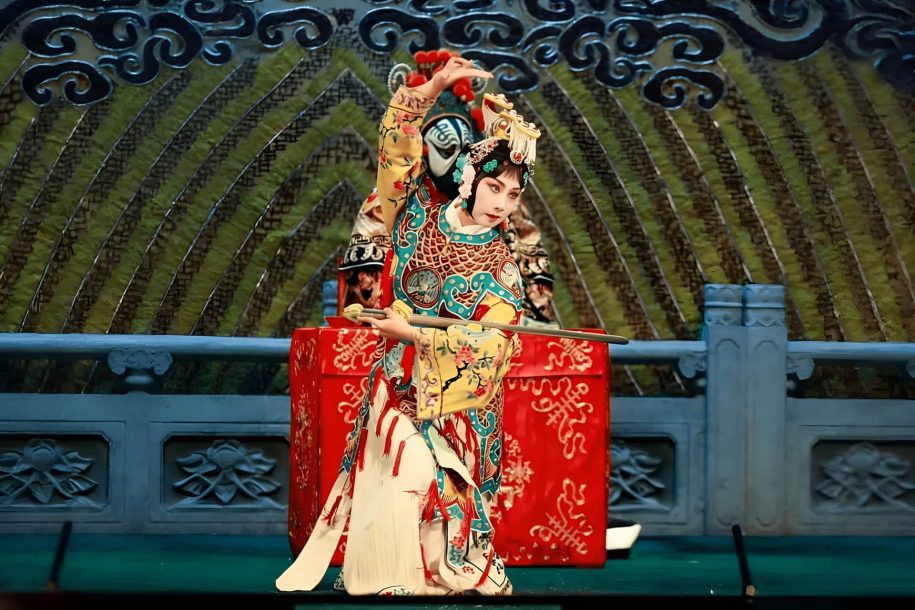
Liyuan Theatre is not only a model of the integration of China’s national essence with high-end hospitality in the capital, but also a core landmark where Chinese and international guests can experience the charm of Peking opera and the deep heritage of old Beijing. As Beijing’s first teahouse-style Peking opera theatre, it has carried the mission of preserving Eastern aesthetics and performing the tunes and rhythms of Beijing since its inception. With decades of history and seven consecutive years of winning the Forbidden City Cup “Best Evening Venue” award, it has become a shining gem on the must-do list for visitors to Beijing: “Climb the Great Wall, eat Peking duck, and watch Peking opera.”
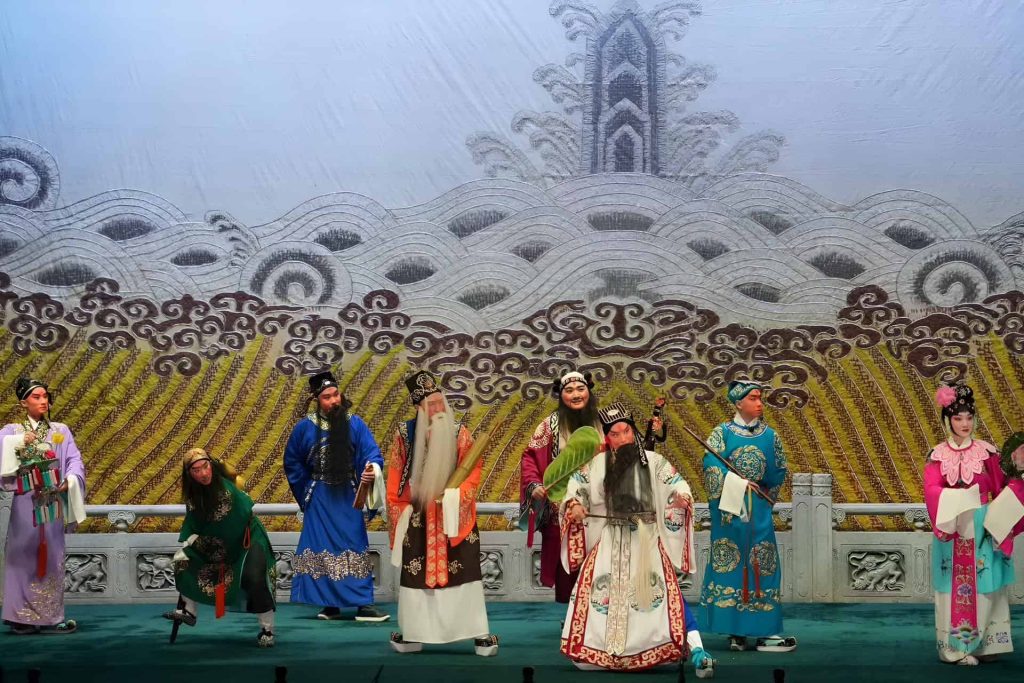
Over the years, Liyuan Theatre, with its unique cultural charm and high-end experiential quality, has hosted numerous dignitaries and celebrities from various fields, serving as an important window for Beijing to showcase Eastern culture to the world.
Liyuan Theatre has long transcended the meaning of an ordinary theatre. It is a living museum of Peking opera culture, a perfect fusion of old Beijing charm and modern high-end service. Here, a performance, a cup of tea, and a moment in time all carry the cultural depth of the capital and the unique allure of Eastern aesthetics. Whether you are a traveller visiting Beijing for the first time or a connoisseur who has long resided in the city, you can immerse yourself in the profound art of Peking opera and encounter a taste of old Beijing’s elegance and romance.
With the May Day holiday approaching, Beijing’s cultural market is heating up. Located within the Qianmen Jianguo Hotel, Liyuan Theatre – the city’s first teahouse-style theatre – recently rang its gong for a reopening performance. Featuring a traditional grand opera The Eight Immortals Crossing the Sea performed by the Beijing Jingju Theatre Company, the reopening marked the return of a cultural landmark that has been a signature of the capital’s tourism for over 30 years.
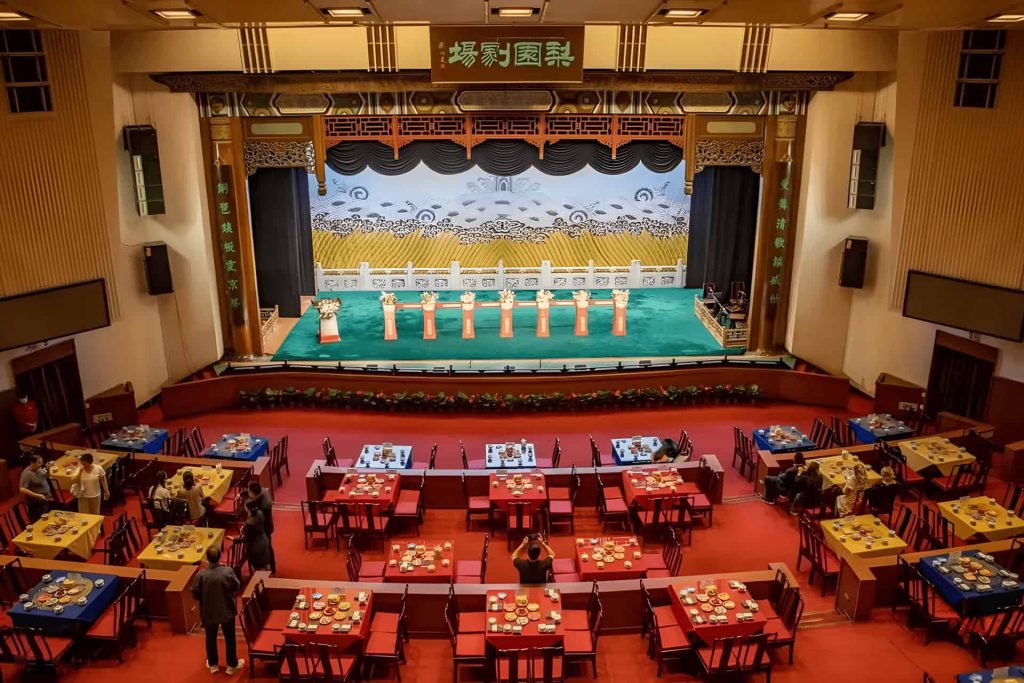
Since 1990, Qianmen Jianguo Hotel and the Beijing Opera Theatre Company have jointly developed the Liyuan Theatre as a tourist performance destination. Over the past three decades, Liyuan Theatre has hosted nearly 10,000 performances, leaving its mark on over one million visitors. With its Eight Immortals tables, armchairs, covered teacups, and Beijing-style snacks, the rich cultural atmosphere evokes the charm of an old-fashioned opera house. Recognised for its unique cultural characteristics, Liyuan Theatre has been included in the “National Cultural Tourism Key Project List (Tourism Performances).”
Leveraging the recovery of inbound tourism, the Beijing Opera Theatre Company will join forces with other cultural institutions in the capital, including the Northern Kunqu Opera Theatre and the Beijing Vocational College of Opera and Arts, to launch daily performances, Peking opera experiences, study and research collaborations, and Peking opera-themed merchandise. These initiatives aim to showcase a new face of cultural-tourism integration.
In 2026, the daily performances at Liyuan Theatre will focus on excerpts from martial plays and classic civil plays. Performances begin at 7:30 PM, with each show lasting one hour. During the off-peak tourism season, performances are scheduled from Wednesday to Saturday (excluding Sunday, Monday, and Tuesday). During peak season, additional performances will be added.
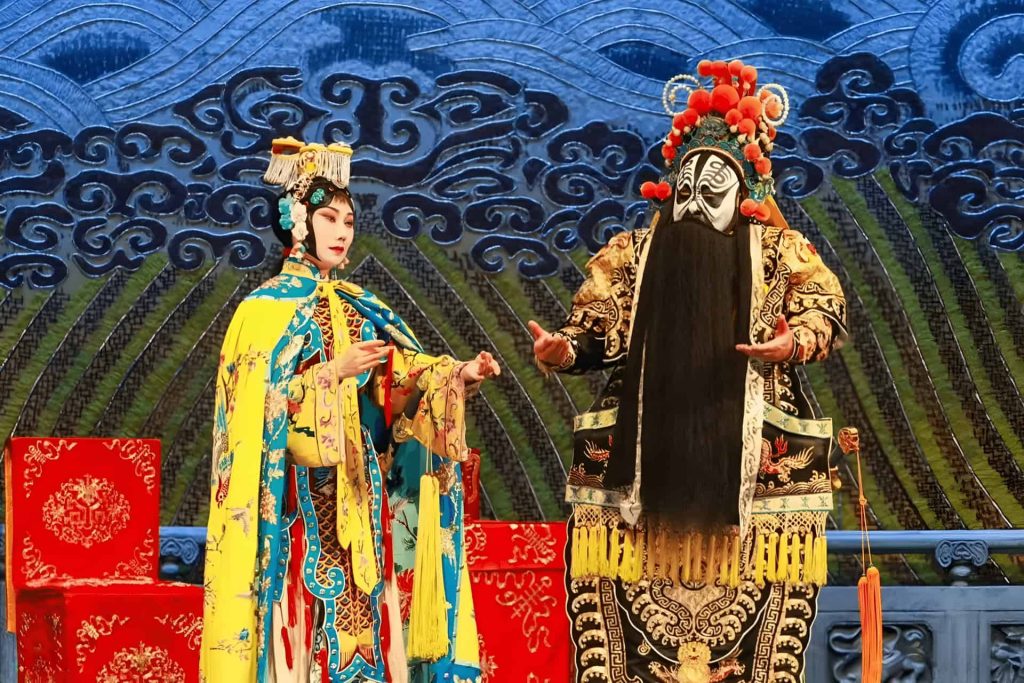
In front of a blue patterned curtain, a colorful-robed dan role and a painted-face jing role share the stage. Their costumes are adorned with exquisite embroidery. Red chairs complement the opera attire, fully showcasing the poise of Peking Opera characters and the elegant atmosphere of the stage.
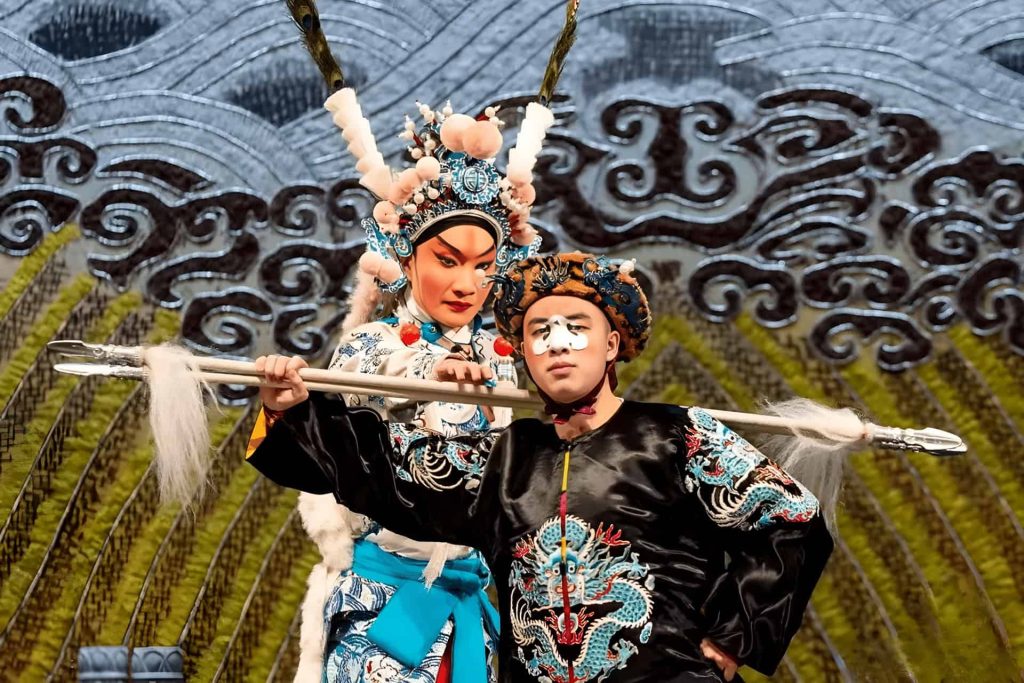
On the Peking Opera stage at Liyuan Theater, a martial male role actor (wusheng) rests a long spear on the shoulder of a clown role (chou). The costumes feature splendid embroidery, the facial makeup is striking, and the movements carry the stylistic conventions of traditional opera, fully capturing the dynamic tension and agility of a martial scene.
Under the same backdrop, a dan role and a jing role perform stylized movements. Their colorful robes feature magnificent patterns, and their graceful, expansive gestures vividly showcase the exquisite physical artistry of traditional opera.
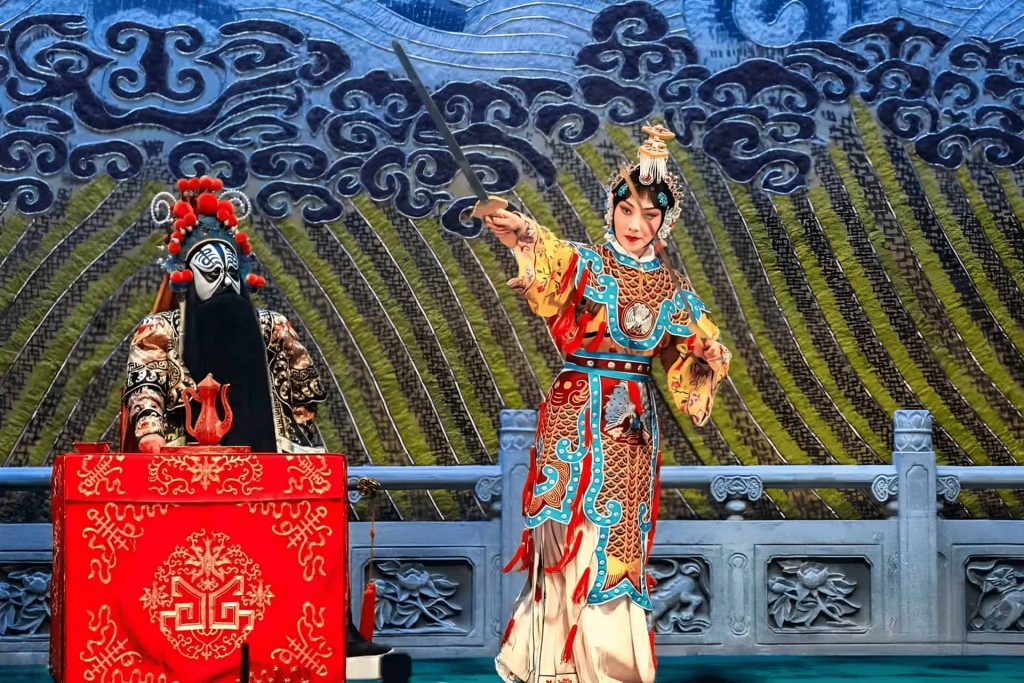
The dan role points a sword forward, with a red table and decorated props on stage. The painted-face jing role stands poised to the side. Their crisp, precise movements heighten the theatrical tension and amplify the ritualistic essence of traditional opera.
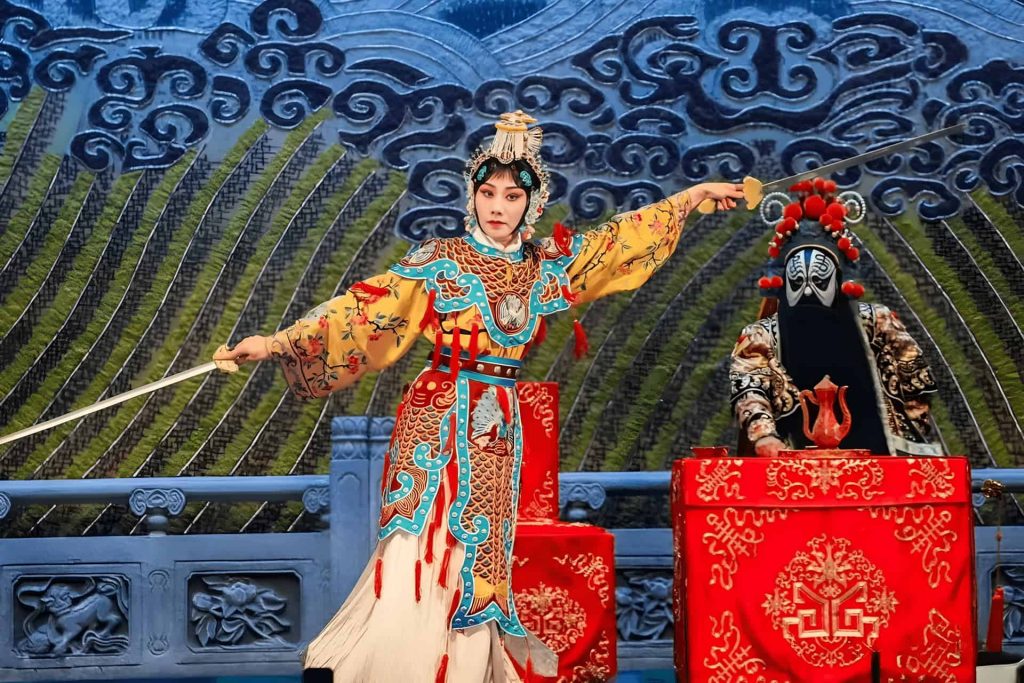
The dan role wields a pair of swords in an extended posture, with a red table prop placed to the side. The movements are both graceful and powerful, while the vibrant embroidery on the costume shines brightly, fully capturing the agility and dashing spirit of Peking Opera martial scenes.
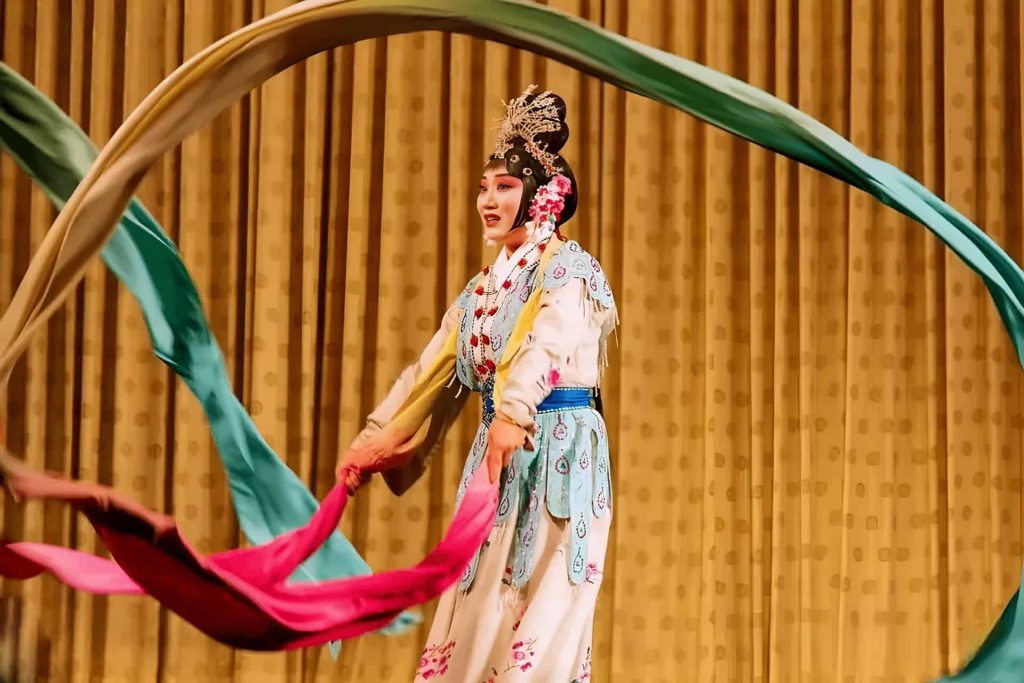
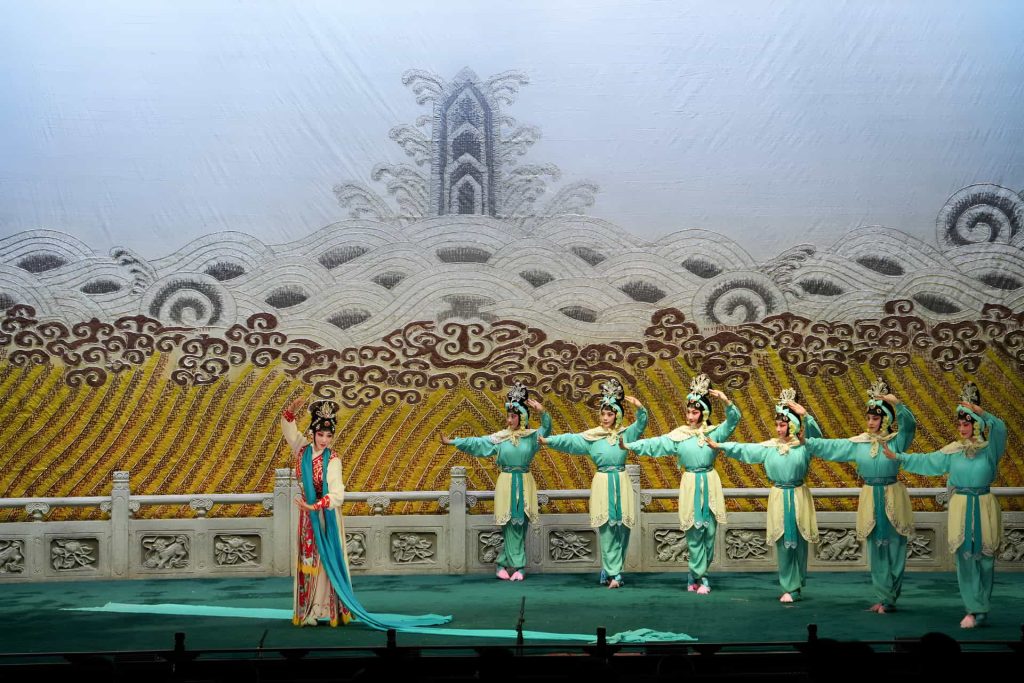
The dan role dances with colorful silk ribbons, with the yellow backdrop accentuating the soft, graceful curves of the ribbons. The costume features elegantly understated embroidery, and the expansive, fluid movements vividly bring to life the flowing sleeve aesthetics of traditional opera.
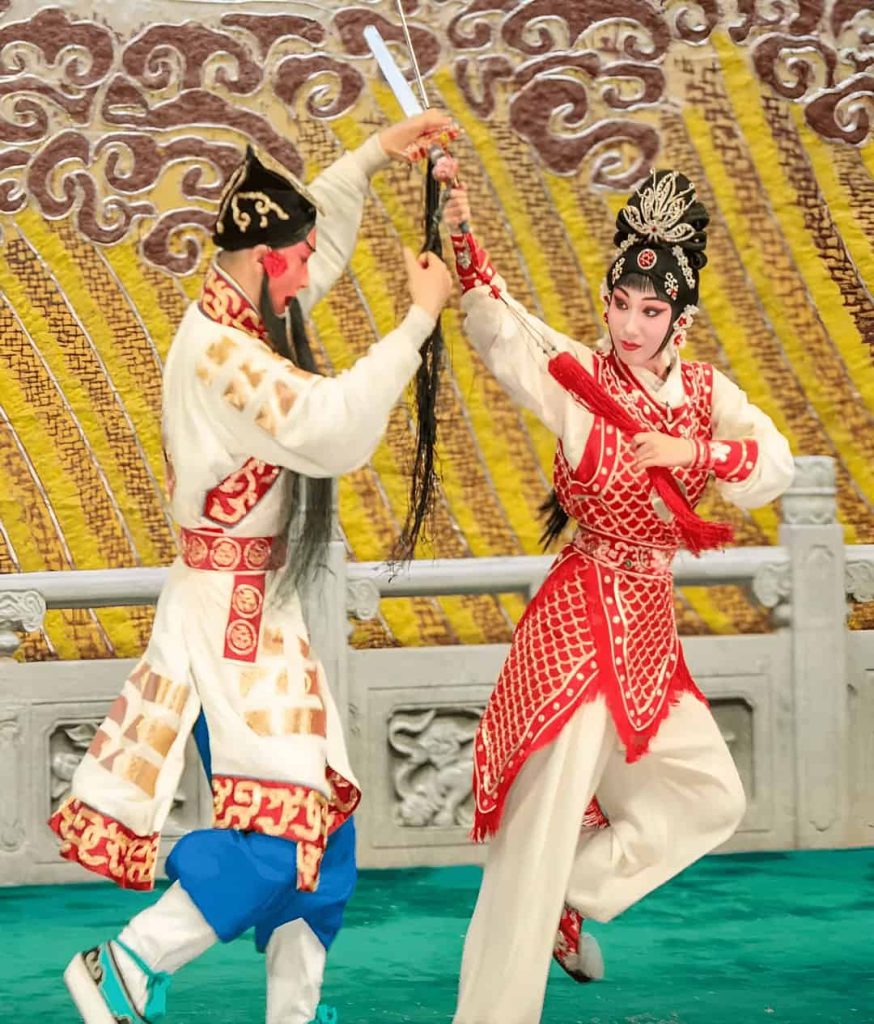
On the Peking Opera stage at Liyuan Theater, performers in red and white costumes are engaged in a dramatic face-off. Their movements are full of tension, while the gold-patterned backdrop accentuates the crisp, clean execution of the operatic combat and its classical charm.
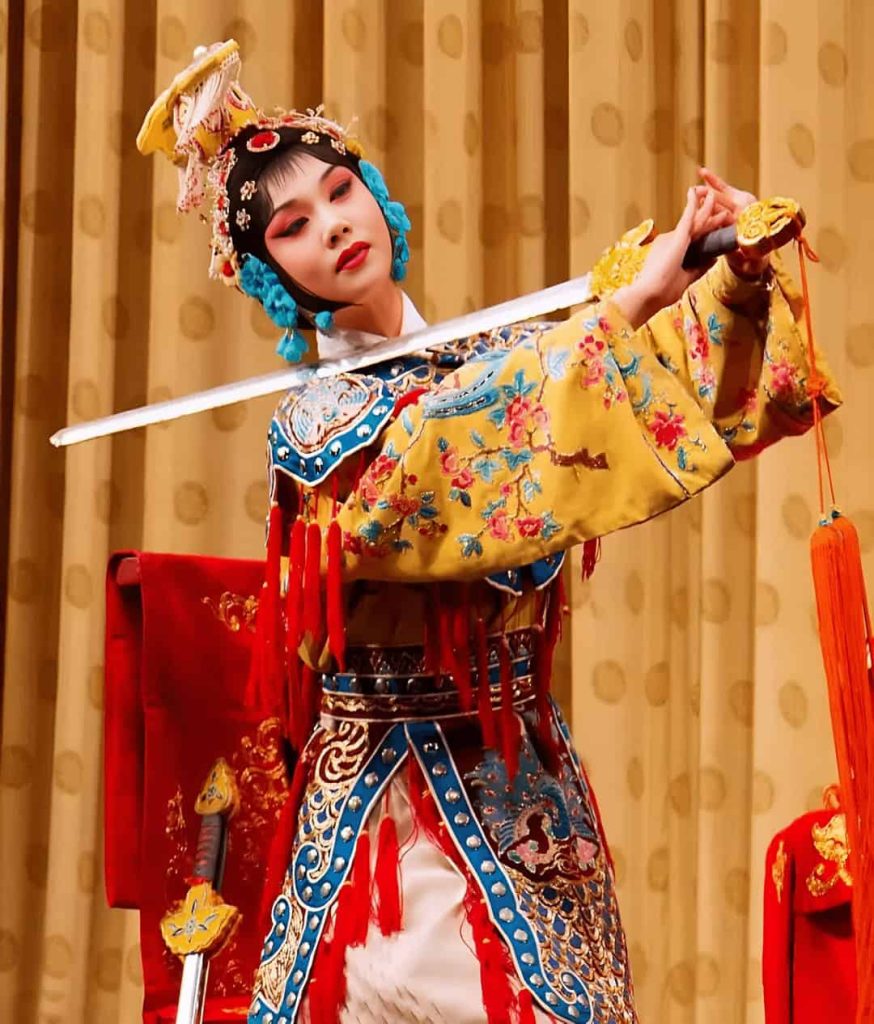
The dan role holds a single sword against the shoulder, with a yellow patterned curtain as the backdrop. The costume is embroidered with floral motifs, and the makeup and hairstyle are exquisitely detailed, fully capturing the character’s blend of grace and heroic spirit in traditional opera.
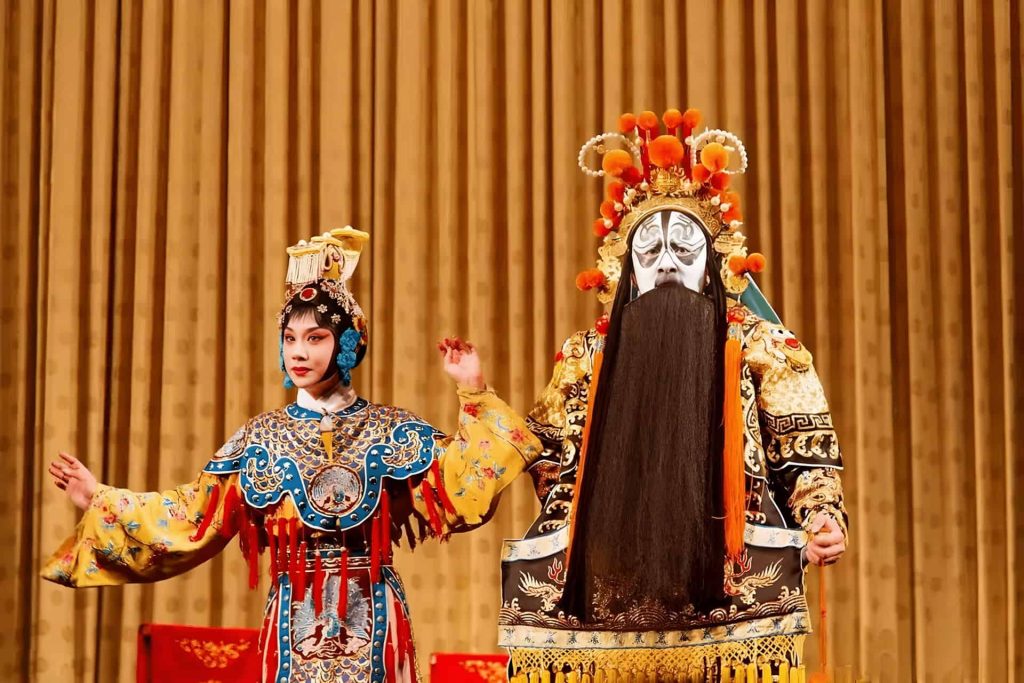
A colorfully robed dan role and a gold-patterned jing role appear together in the frame, with a yellow curtain as the background. Their movements carry the stylized rhythm of traditional opera, and their lavish costumes fully express the nuanced charm of Peking Opera’s duet performances.
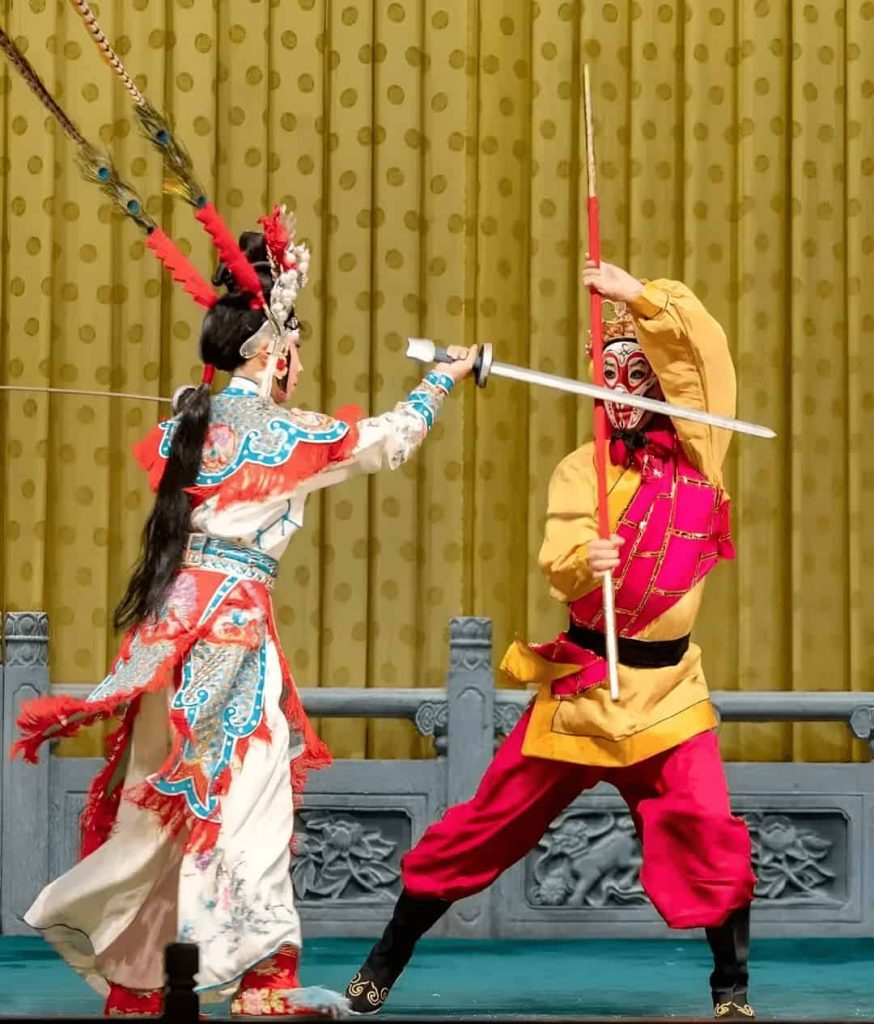
Performers in red and white costumes engage in a combat scene — the dan role wields a sword while the wusheng (martial male role) grips a staff. The yellow backdrop heightens the dynamic tension of their movements, fully amplifying the crisp, clean intensity of operatic stage fighting.
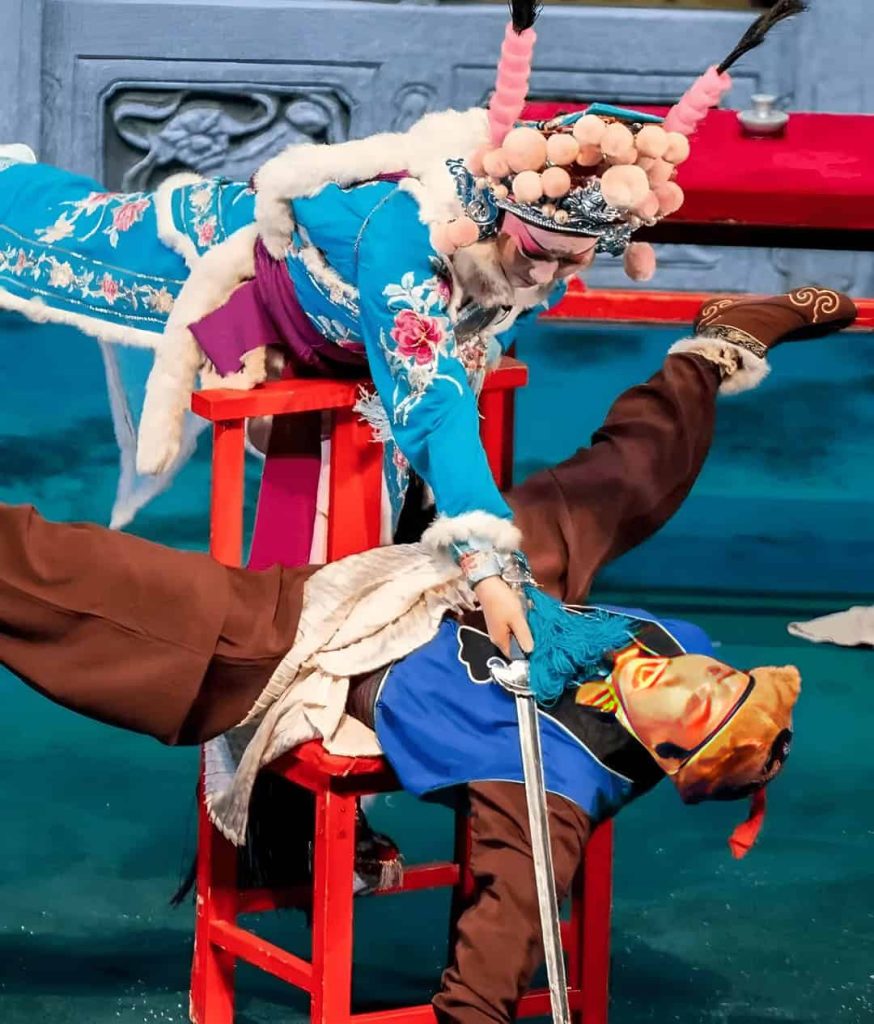
Performers in red and blue costumes engage in a duet scene using a red chair. Their movements are both thrilling and stylized with operatic grace. The blue backdrop accentuates the physical expressiveness and theatrical tension of the traditional performance.
At the entrance of Liyuan Theater inside Qianmen Jianguo Hotel, vermilion carved doors are paired with palace lanterns, accented with Peking Opera mask motifs. The atmosphere is ancient, elegant, and dignified, fully embodying the classic charm of old Beijing opera houses and a sense of refined luxury.
In addition to daily performances, the following new Peking opera-themed programmes will be introduced:
- Immersive Peking opera experiences, focusing on interactive activities such as audience makeup, costume dressing, and face painting, allowing visitors to gain a deeper understanding of Peking opera.
- Study and family activities under the theme “National Essence + Chinese Classics,” focusing on traditional Chinese culture and the Four Great Classical Novels.
- Co-branded Peking opera merchandise, designed to further expand the influence of Peking opera culture.
Location of Beijing Liyuan Theatre: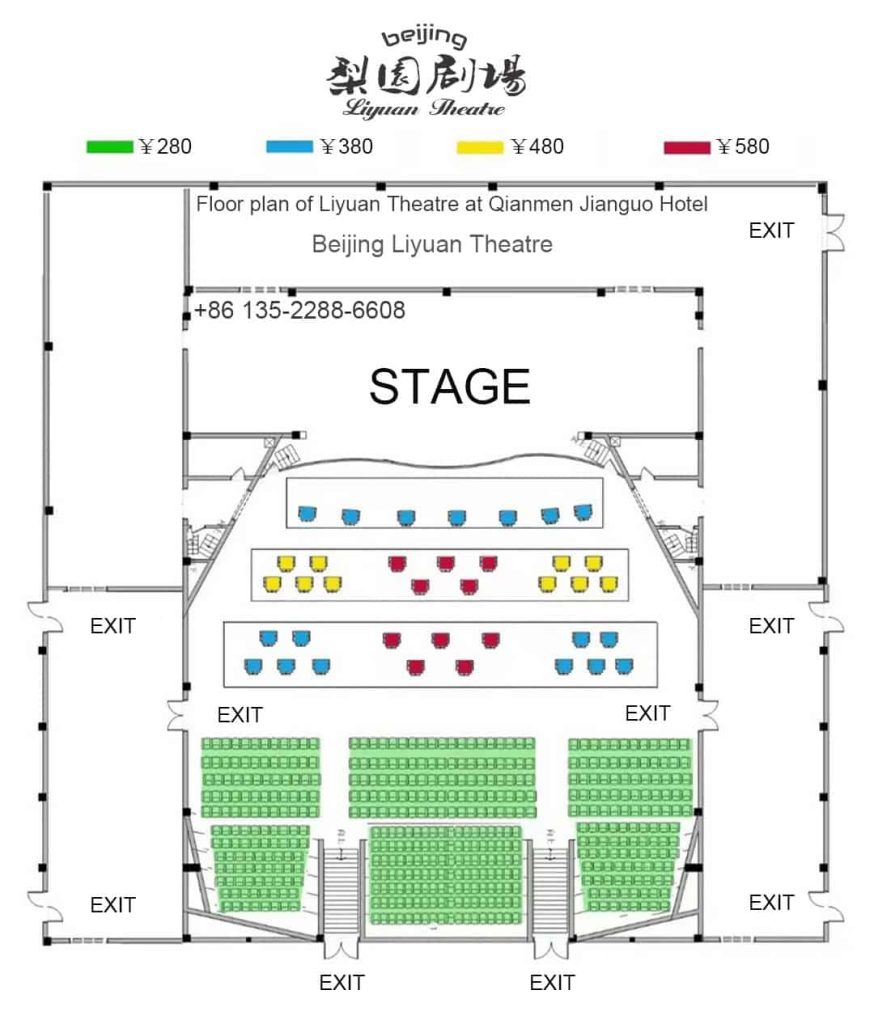
Seat Map Price Legend for Liyuan Theatre:
- Red area: SVIP Zone
- Yellow area: VIP Zone
- Blue area: General Zone
- Green area: Special Offer Zone
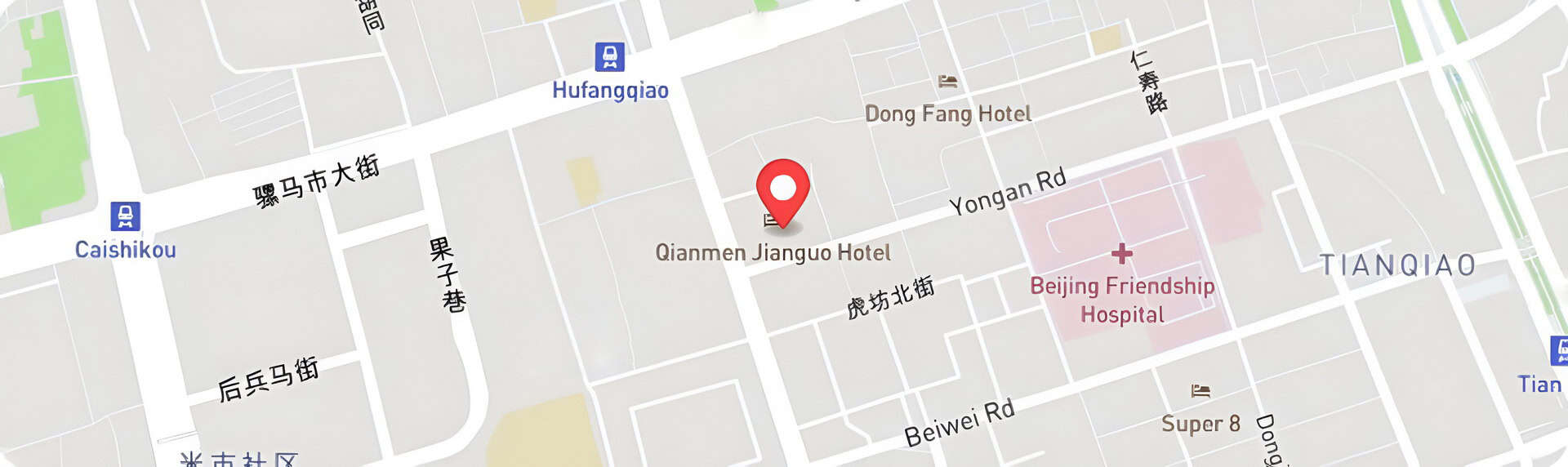
Location of Beijing Liyuan Theatre:

Leave a Reply